WHAT MAKES A GREAT CREATIVE PORTFOLIO
I really love hiring for creative roles. At one point in my younger years, being an Art Director was my chosen career path, even graduating from Whitehouse. I soon realised that I’m much stronger on the people side of things, and now instead of putting together a creative portfolio, I’m reviewing them for our candidates on a daily basis.
After assessing what feels like thousands of portfolios, I can tell you that a good portfolio truly is make or break. In creative role applications, your portfolio is more than a collection of work, it’s your entry point to a phone screen.
At Relier, we review hundreds of portfolios every year across creative roles and so patterns are easy to spot. Your portfolio will do one of two things. It will either:
Be a barrier that stops you from getting that call from the brand; or
Be your express ticket to an interview immediately.
After gathering direct feedback from senior hiring managers on the portfolios we submit, here’s what consistently makes a difference:
1. Let Your Creative Handwriting Come Through
Technical skill matters (a lot) but your individuality matters just as much. The strongest portfolios show both capability, technical skill and have your essence - what sets you apart.
2. Make It easy for hiring managers to review
You can format your portfolio however you like, but accessibility is key. Large files that take time to download, zipped folders with multiple subfolders (lazy, sorry not sorry), expired links on your CV, links that are hard to locate, that don’t work or links that only work on certain devices slow the process down.
I love a high-quality PDF or a clean, well-designed website and so do the brands we work with.
3. Tailor Your Portfolio to the Brand
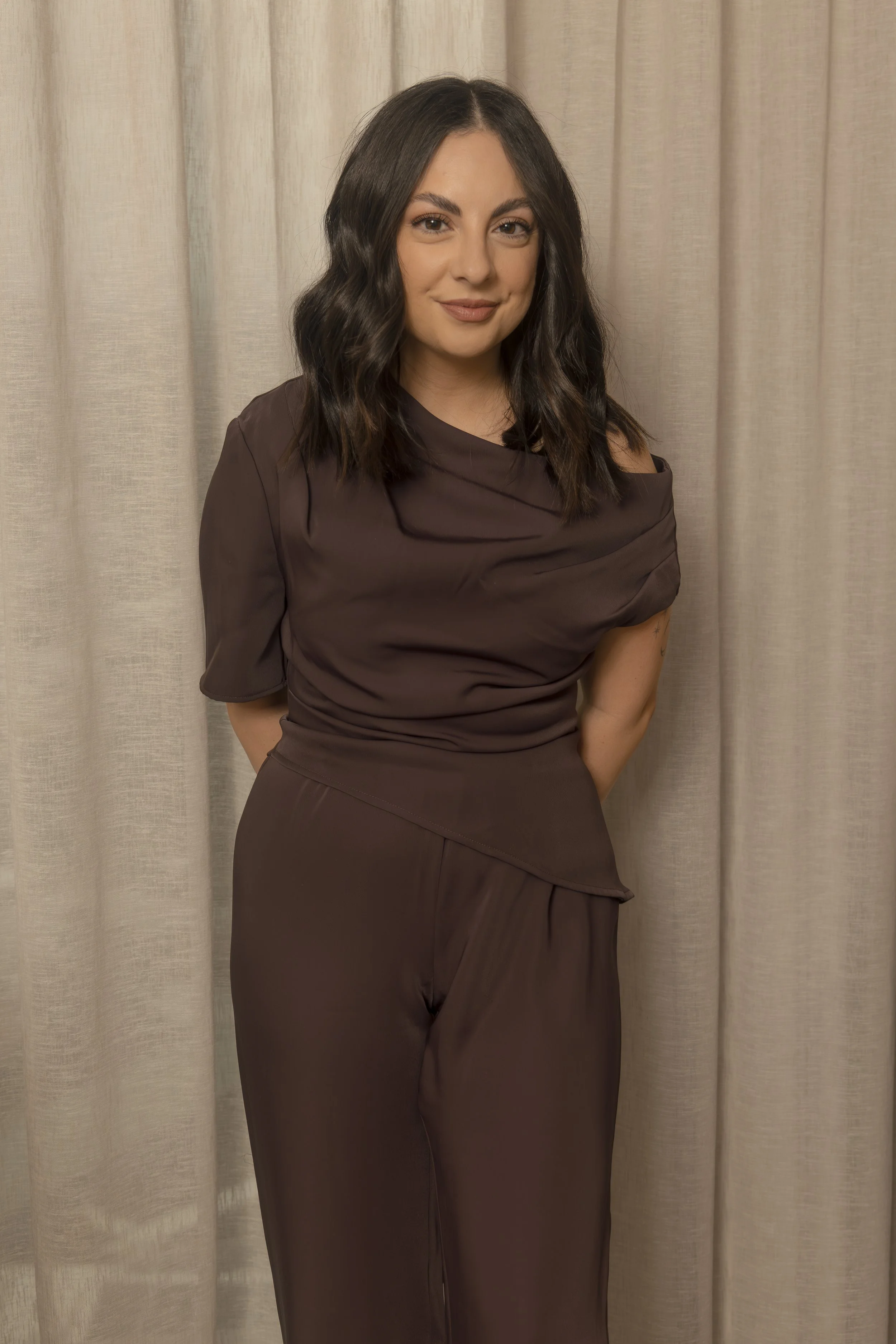
Pictured: The Author ; )
If you’re applying to an activewear brand, your activewear needs to be prime real estate. If the role is graphics-led, show graphics. “I don’t have time to update it this week” is not likely to score you the role.
Tailoring doesn’t mean rebuilding everything from scratch either, it means curating what’s most relevant.
And remember that not all of your work should be showcase. Like your resume, a portfolio is a highlights reel. Outdated, aged designs don’t have a place in your portfolio. Curate your best work in this sacred space. And if you’re re-entering a category after some time away and you only have aged work to show, nothing is stopping you from creating something now.
4. Should I Include My Graduate Work?
Graduate work is personal and often very strong creatively. This should be a considered decision depending on where you’re at in your career.
If you’re early in your career and applying for entry-level or junior roles, absolutely include the highlights. It helps demonstrate concept development, creativity, technical foundations and your essence.
If you’ve been working in commercial businesses for several years, your portfolio should lead with (and in most cases focus on) commercial work. Hiring managers at this stage are primarily interested in how you design within real-world constraints. In this case, it’s best to omit graduate work or limit it to a single, highly relevant project if it adds something that your commercial work doesn’t.
5. Luxury vs Lifestyle: One Size Does Not Fit All
A portfolio for a luxury label should feel refined and considered. Usually clean layouts, minimal text and a strong sense of craftsmanship in your work.
Lifestyle brands tend to look for energy, versatility and commercial appeal. They want to see range, trend awareness and proof you can design at scale and speed.
Both can be exceptional portfolios, but they should not look the same.
6. Always Submit Your Portfolio
Please send the hiring manager your portfolio straight away on application! If you’re working with a recruiter, we know you will likely want to tailor it to the brand, if anything we will recommend you do this AND work with you to help curate and strengthen it. We see the portfolios you’re up against and can guide you on what to highlight, refine or remove depending on the role (or roles) you’re being put forward for.
7. Formatting
Do not just dump photos and all of your work into a PDF. It should flow and have consistency. Also, short, sharp and polished always wins. Five strong projects will outperform fifteen average ones.
8. Keep File Names and Links Professional
A very simple one that sounds minor but it is noticed straight away.
“FINAL_PORTFOLIO_v7_reallyfinal.pdf” doesn’t really inspire professionalism or attention to detail.
9. Proofread Everything
Spelling and grammatical errors immediately undermine credibility, particularly for senior and detail-driven roles. Have someone else review it if you can (perhaps your favourite recruiter?)
10. Be Clear About What You Did
Clearly label your contribution on each project:
Concept & design
Print or textile development
Range building
CADs & tech packs
Campaign or content direction
11. Lead With Your Strongest Work
Most reviewers decide within the first 30 seconds whether they’ll keep scrolling. Put your best and most relevant work first. How you use your Prime Real Estate matters. Your work does not need to be chronological.
12. Save Your Work as You Go
Even if you’re not actively applying, document your work and update your portfolio when you can. We regularly speak with designers who have been in the same role for years and suddenly need to build a portfolio from scratch, this is hard to do and hard to then go back to try and find high quality imagery or technical work. Trust me, save as you go!
A strong portfolio doesn’t just show what you’ve done. It shows how you think, where you fit and what you could bring to a business. When curated thoughtfully, it becomes one of the most powerful tools in securing an interview.
If you’re looking for portfolio visuals, I’ve made a Pinterest Moodboard that encapsules some examples of strong visuals and creatives that align with what our clients like to see in terms of presentation.
I hope to see your portfolio in my inbox soon.
With love,
Em xoxo
